
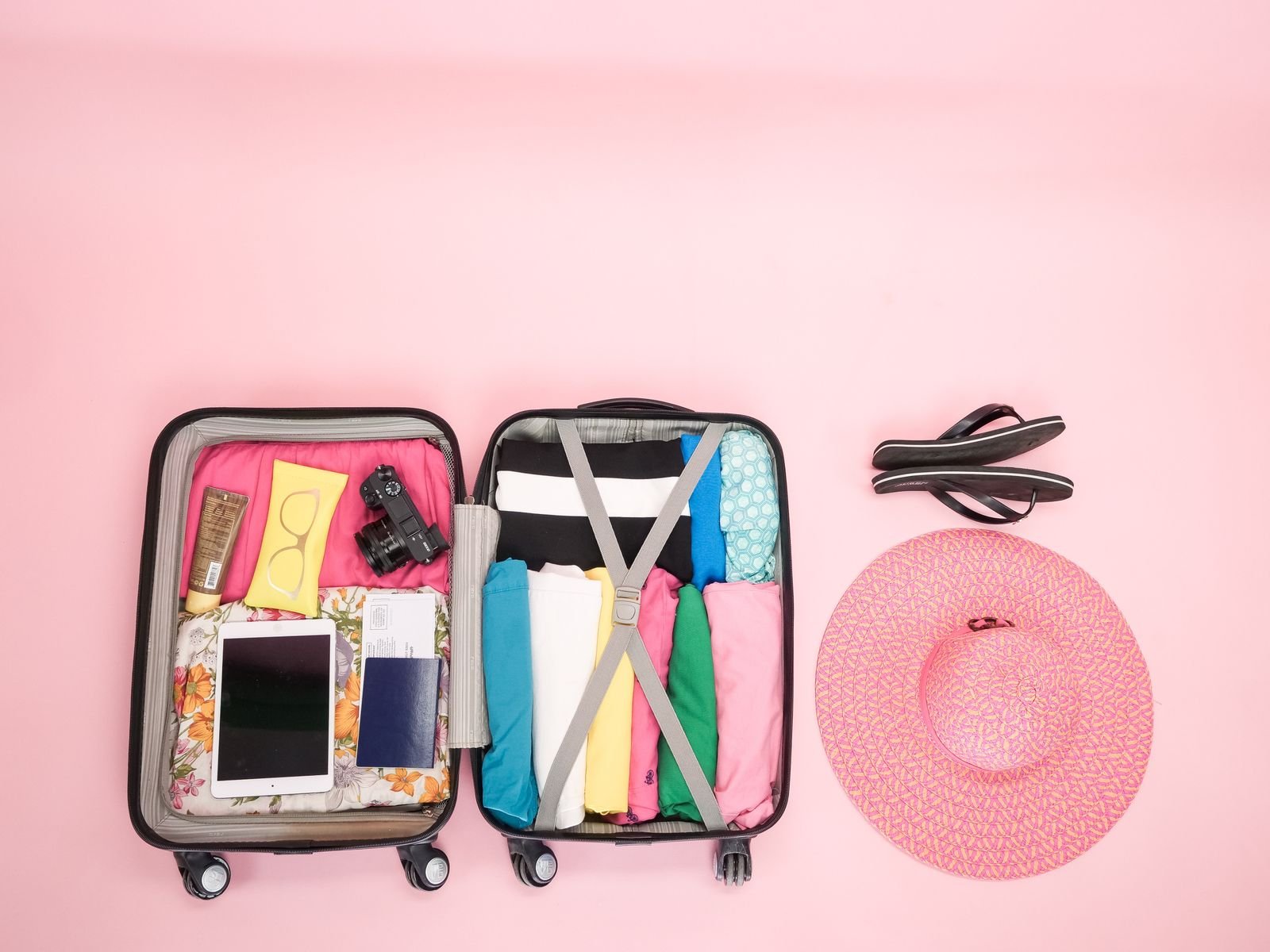

After years of living abroad and moving between countries, I’ve realized that packing is a skill you develop through experience, usually after making a few expensive or inconvenient mistakes.
And once you start traveling with children, packing becomes a completely different exercise.
You suddenly find yourself wondering whether you’ve packed enough clothes, whether you need another pair of shoes and how much space you should leave for things you might buy during your trip.
But packing well isn’t necessarily about fitting as much as possible into a suitcase. It’s about knowing what you’ll actually need, what you can buy when you arrive and what you absolutely shouldn’t leave behind.
Whether you’re preparing for your first international trip, traveling alone or going on a family holiday, this international travel packing list will help you organize your luggage without unnecessarily complicating your journey.
How I Put Together This International Travel Packing List
This guide combines my personal experience of international travel and living abroad with research from official aviation, government and travel health resources.
Here are some useful websites you can bookmark before your next trip:
- International Air Transport Association: Passenger Baggage Rules
- U.S. Department of State: International Travel Checklist
- CDC: Pack Smart for International Travel
- Federal Aviation Administration: Traveling With Lithium Batteries
- Smartraveller: Safety Tips for Solo Travelers
Remember that baggage allowances, security procedures and customs regulations can differ between countries, airports and airlines.
Always check the requirements for your specific itinerary, including any countries where you will be connecting.
International Travel Packing Checklist at a Glance
| Category | Essential items |
|---|---|
| Documents | Passport, visas, reservations and insurance information |
| Money | Payment cards, emergency funds and suitable currency |
| Electronics | Phone, chargers, travel adapter and power bank |
| Clothing | Versatile outfits, comfortable shoes and weather-appropriate layers |
| Toiletries | Travel-sized essentials and personal hygiene products |
| Healthcare | Medication, prescriptions and basic first aid supplies |
| Flight comfort | Headphones, eye mask, extra clothing and snacks |
| Safety | Emergency contacts, offline maps and accommodation address |
| Family travel | Children’s essentials, comfort items and entertainment |
You don’t necessarily need everything on this list. Use it as a starting point and adapt it to your destination, length of stay and travel arrangements.
1. Check Your Luggage Allowance Before You Start Packing
Before buying a suitcase or deciding how much to bring, check what your ticket actually includes.
Even passengers traveling on the same airline can have different baggage allowances depending on their ticket type, destination and travel class.
Check the following:
- Checked luggage weight allowance.
- Number of permitted suitcases.
- Carry-on dimensions and weight restrictions.
- Personal item allowance.
- Additional baggage fees.
- Rules for children’s luggage and strollers.
If your journey involves multiple airlines, check the baggage rules that apply to each part of your itinerary.
A portable luggage scale can be particularly useful. It allows you to weigh your suitcase at home instead of discovering at the airport that you’re several kilograms overweight.
And remember to leave a little extra space if you’re planning to shop during your trip.
2. Essential Travel Documents
These are the things I would organize before even opening a suitcase.
Your travel document checklist
- Passport.
- Visa or electronic travel authorization, if required.
- Flight reservations.
- Accommodation confirmations.
- Travel insurance details.
- Relevant vaccination certificates.
- Driving license and international driving permit, where required.
- Emergency contact information.
- Children’s travel documents and parental consent letters, where applicable.
Some destinations require passports to remain valid for several months beyond your intended travel dates. Others have different requirements.
Check with your destination country’s official immigration authorities rather than assuming that an unexpired passport is sufficient.
Keep secure digital copies of your important documents, along with separate physical copies where useful.
Your internet connection might not work immediately when you arrive, so make sure essential reservations and addresses can also be accessed offline.
3. What to Pack in Your Carry-On Bag
Imagine arriving at your destination and discovering that your checked suitcase hasn’t arrived with you.
What would you need to get through the next 24 to 48 hours?
That’s how I would approach packing a carry-on bag.
Carry-on essentials
- Passport and important documents.
- Wallet and payment cards.
- Essential prescription medication.
- Phone and charging cable.
- Power bank.
- A change of clothes.
- Extra underwear and socks.
- Basic travel-sized toiletries.
- Glasses or contact lenses.
- Headphones.
- Tissues and wet wipes.
- An empty reusable water bottle.
- Valuable or irreplaceable belongings.
If you’re traveling with your family, consider distributing essential clothing between suitcases rather than packing everything for each person in one separate checked bag.
That way, if one suitcase is delayed, someone isn’t left without any clothes at all.
4. How Much Clothing Should You Pack?
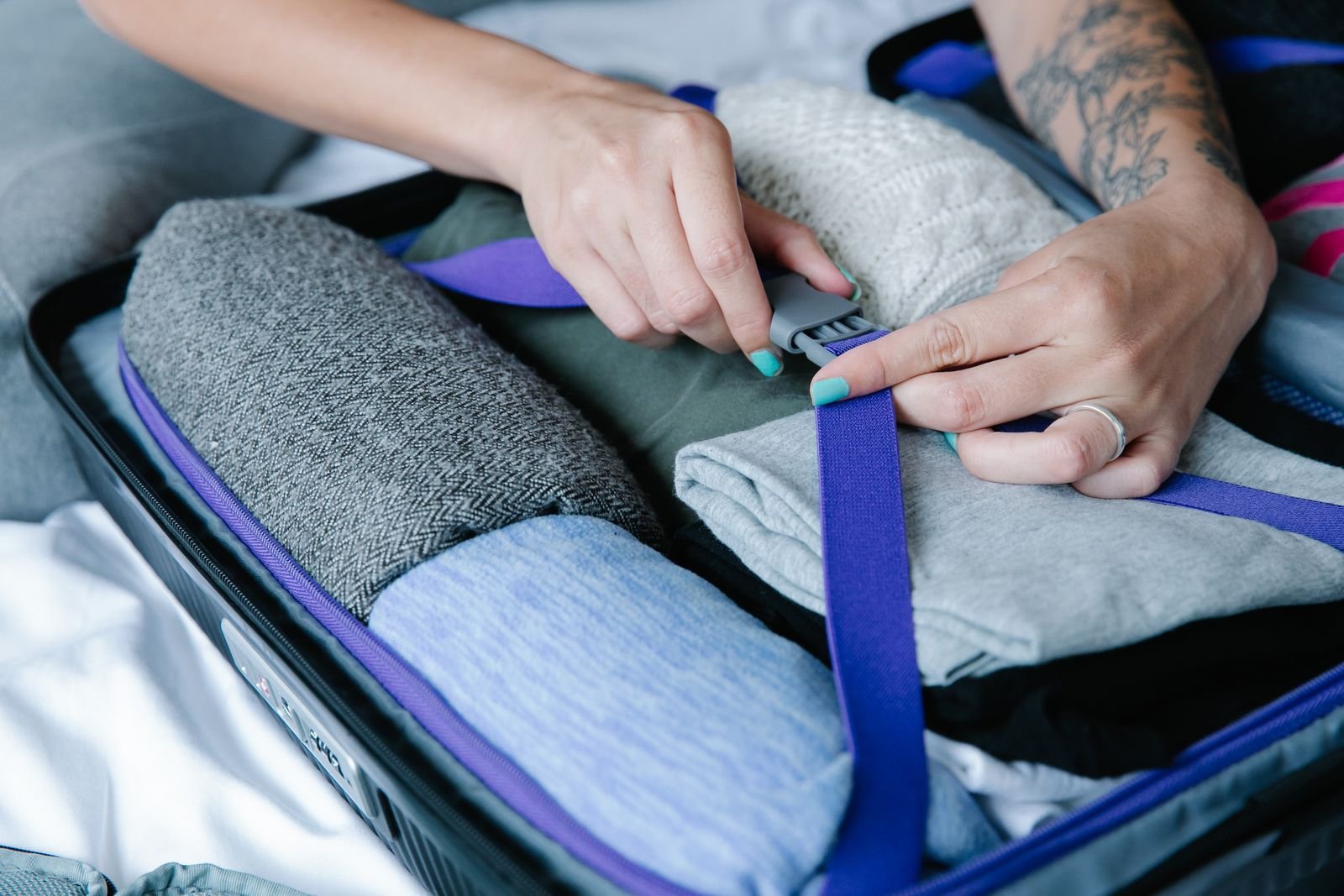
One of the easiest ways to overpack is to plan a completely different outfit for every day of your holiday.
Instead, think about clothes that work together and can be worn more than once.
Here’s an example of what you might pack for a seven-day international trip.
| Clothing | Suggested quantity |
|---|---|
| Tops | 4–5 |
| Trousers, skirts or shorts | 2–3 |
| Dresses or dressier outfits | 1–2, if needed |
| Underwear | 7 pairs |
| Socks | 4–7 pairs |
| Sleepwear | 1–2 sets |
| Sweater or cardigan | 1–2 |
| Comfortable walking shoes | 1 pair |
| Additional shoes | 1 pair, if needed |
| Jacket | According to the weather |
| Swimwear | If relevant |
Adjust the quantities depending on the climate, your activities and whether you’ll have access to laundry facilities.
For longer trips, you don’t necessarily need twice as many clothes. Being able to wash your clothes during a two-week holiday can save a surprising amount of luggage space.
Also, research local cultural expectations. You may need clothing that covers your shoulders or knees when visiting certain religious sites.
Are packing cubes worth using?
Packing cubes can help separate clothing, underwear, children’s outfits and other small belongings inside your suitcase.
Compression packing cubes can also help reduce the space occupied by certain clothes.
Just remember that compressing your clothing doesn’t make it weigh any less!
5. Toiletries, Makeup and Skincare
This is an area where many of us could probably pack considerably less.
I’m not someone who uses a lot of makeup or skincare products, yet somehow I still manage to accumulate far more than I actually need.
When traveling, think about what you genuinely use on a daily basis.
Toiletries checklist
- Toothbrush and toothpaste.
- Deodorant.
- Shampoo and conditioner, if needed.
- Facial cleanser and moisturizer.
- Sunscreen.
- Lip balm.
- Hairbrush or comb.
- Personal hygiene products.
- A small selection of makeup.
- Travel-sized fragrance, if desired.
- Reusable toiletry containers.
If you’re staying in a hotel, check which toiletries are already provided.
And if you’re traveling for an extended period, you can often purchase ordinary shampoo, soap and other everyday products after arriving.
Understand airport liquid restrictions
At many airports, liquids, gels and aerosols in cabin baggage are limited to containers of 100 ml or less, placed inside an approved transparent bag.
Some airports have different procedures, and exceptions may apply to medication and baby supplies.
Importantly, a half-empty 200 ml bottle generally doesn’t meet a 100 ml container restriction.
Check the rules for your departure and connecting airports through their security authorities and the IATA passenger baggage guidance.
6. Electronics and International Travel Accessories
It is surprisingly easy to overlook something as simple as a charging cable when preparing for a trip.
Electronics checklist
- Mobile phone.
- Charging cables.
- Suitable wall chargers.
- International plug adapter.
- Power bank.
- Headphones or earbuds.
- Laptop or tablet, if needed.
- Camera and memory cards, if needed.
- Luggage tracker, if desired.
Before traveling, research which electrical plugs and voltage your destination uses.
A travel adapter changes the shape of the plug. It doesn’t necessarily convert the electrical voltage.
Check the voltage compatibility of appliances such as hairdryers and straighteners before taking them overseas.
Where should you pack your power bank?
Power banks and spare lithium batteries belong in your carry-on baggage, not your checked suitcase.
Airlines can also impose capacity, quantity and in-flight usage restrictions.
If your cabin bag needs to be checked at the boarding gate, remember to remove your power bank and spare lithium batteries first.
You can review the official FAA lithium battery guidance and check your airline’s specific policy before departure.
7. Make Sure You Have Internet Access When You Land
This is something I consider particularly important when arriving somewhere unfamiliar.
You might need to contact your accommodation, order transportation, translate an address or simply figure out which direction you’re supposed to be going.
Before departure, research your connectivity options.
| Option | When it may be useful |
|---|---|
| International roaming | Short trips when your existing plan offers reasonable rates |
| Travel eSIM | Compatible unlocked phones and convenient mobile data access |
| Local SIM card | Longer stays or access to a local phone number |
| Portable Wi-Fi device | Families or travelers connecting multiple devices |
Check whether your phone supports eSIMs and is unlocked before purchasing a plan.
Also, remember that many travel eSIMs provide mobile data only. They may not include traditional telephone calls or SMS.
Make sure you have an appropriate way to contact local emergency services.
If you’re traveling to mainland China, research the local applications you’ll need before departure. WeChat, in particular, is an important part of everyday communication.
Download offline maps, translation tools and your accommodation information before getting on the plane.
8. Traveling Internationally With Prescription Medication
If you or a family member regularly takes medication, don’t leave this part of your packing until the last minute.
Certain medications used to treat ADHD, anxiety, sleep disorders or chronic pain may be regulated differently abroad.
Even when a medication is permitted, the same brand or formulation may not be available at your destination.
Before traveling, organize:
- Medication in its original labeled packaging.
- Copies of prescriptions.
- A medical letter, where appropriate.
- Generic names and active ingredients.
- Necessary import permits.
- Enough medication for your trip, including possible delays, within permitted quantities.
Check the regulations of your destination and any transit countries.
A prescription or medical letter doesn’t automatically give you permission to import a restricted medication.
The CDC’s guide to traveling with restricted medications explains why researching these requirements in advance is so important.
For longer trips or international relocation, also investigate how you will access your medication after arriving.
Basic travel health essentials
Depending on your destination and personal needs, consider a small first aid kit, adhesive bandages, sunscreen, insect repellent and any permitted medication you normally rely on.
The CDC’s travel health packing guide is a helpful resource when preparing your own kit.
9. What to Pack When Traveling Internationally With Kids
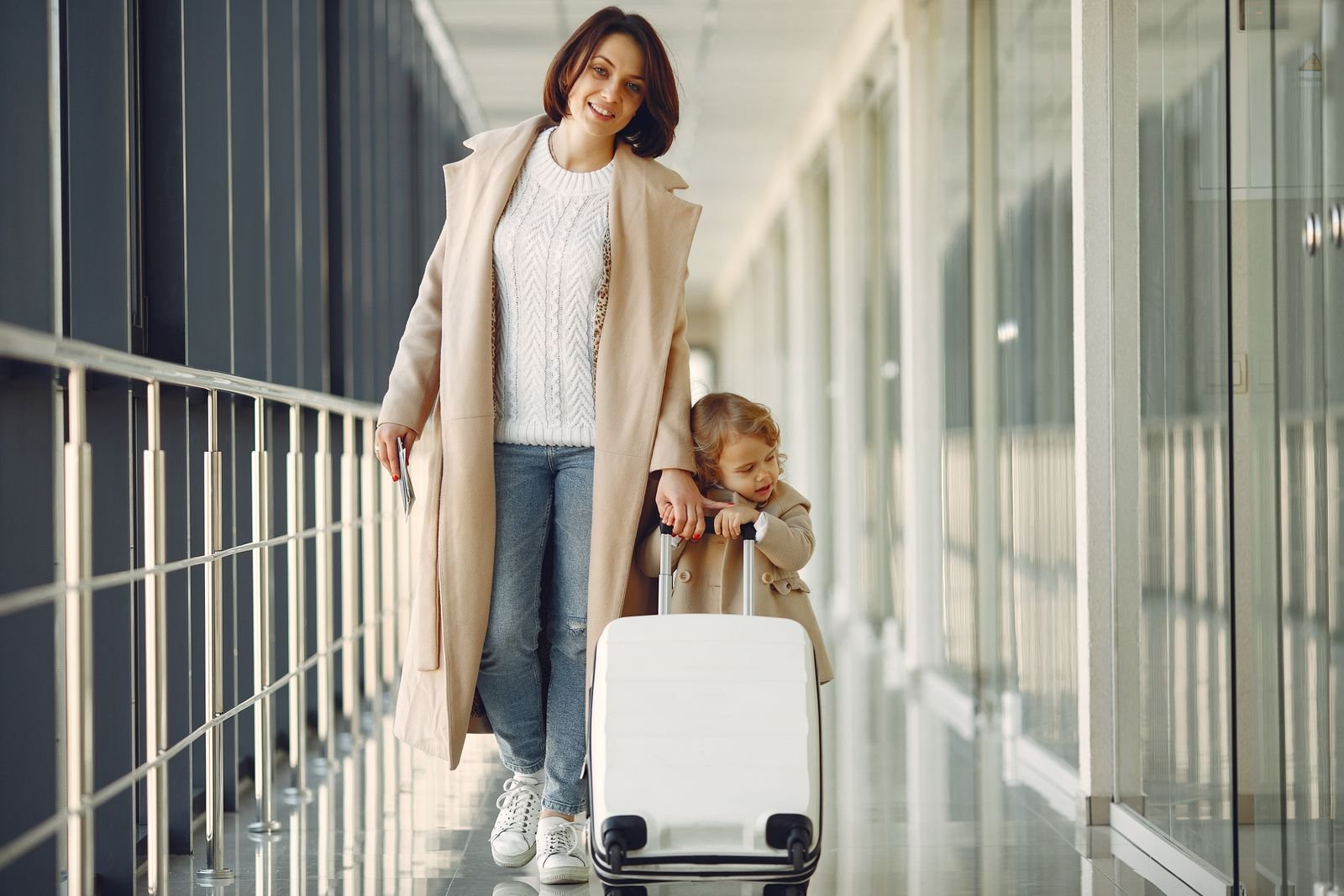
Traveling with children requires a little more thought, particularly on long-haul flights.
You don’t necessarily need to bring their entire bedroom with you, although sometimes it might feel that way!
Children’s carry-on essentials
- Two changes of clothes, depending on age.
- Familiar snacks, subject to customs restrictions.
- Wet wipes and tissues.
- Diapers and changing supplies, if needed.
- A favorite toy or comfort item.
- Books and small activities.
- Headphones.
- Refillable water bottle.
- Essential medication and documentation.
- A lightweight blanket or extra layer.
Consider how long you’ll be traveling from the moment you leave your home until you reach your accommodation, not just the scheduled flight duration.
Airport connections, delays and transportation can make the journey considerably longer than expected.
If your child has sensory sensitivities or relies on particular routines, prioritize familiar items that will make the experience more comfortable.
For families planning a more permanent relocation, I’ve also written a separate guide to moving abroad with kids.
10. Additional Travel Essentials for Solo Female Travelers
Packing for an international trip isn’t only about clothes and toiletries. It’s also about preparing for situations in which you might need to rely on yourself.
Whenever possible, I recommend booking flights that arrive in the morning or early afternoon.
By the time you’ve gone through immigration, collected your luggage and found transportation, your scheduled arrival time might be several hours behind you.
Arriving during daylight gives you more flexibility when navigating an unfamiliar destination.
Before departure, prepare:
- Your accommodation address in the local language.
- Local police and emergency telephone numbers.
- A reliable mobile connection.
- A charged phone and power bank.
- Offline maps.
- Emergency payment options.
- Prearranged or licensed airport transportation.
- A copy of your itinerary shared with someone you trust.
Even if someone has arranged to collect you from the airport, have an alternative plan.
You can find more useful recommendations in the Australian government’s travel safety guidance for women.
11. Things You Probably Don’t Need to Pack
Sometimes the most useful international travel packing list is a list of things to leave at home.
Before closing your suitcase, reconsider:
- Full-sized bottles of products you can easily buy.
- Too many pairs of shoes.
- Clothes that only work with one specific outfit.
- Expensive jewelry you don’t need.
- Multiple handbags.
- Books you are unlikely to finish.
- Bulky electrical appliances.
- Too many backup outfits.
- Excessive quantities of makeup.
Ask yourself whether you genuinely expect to use each item.
And if you forgot something that can easily be purchased at your destination, it doesn’t necessarily mean your packing was unsuccessful.
12. My Final Checklist Before Leaving for the Airport
Before leaving home, I would run through these last-minute checks:
- Passport and travel authorization ready.
- Flight details confirmed.
- Luggage weighed.
- Important documents saved offline.
- Medication packed correctly.
- Phone and power bank charged.
- Mobile data arrangements confirmed.
- Accommodation address accessible.
- Airport transportation organized.
- Home secured.
Everything else is generally much easier to resolve than a forgotten passport.
Frequently Asked Questions
What are the most important things to pack for international travel?
Your passport, required travel documents, essential medication, payment methods, phone, chargers and accommodation information should be your priorities.
What should never go in checked luggage?
Avoid checking power banks, spare lithium batteries, essential medication, important travel documents and valuable or irreplaceable belongings.
How many clothes should I pack for a two-week trip?
Consider packing approximately one week’s worth of versatile clothing if you have access to laundry facilities. Adjust according to the climate and activities.
Can I bring full-sized toiletries on an international flight?
Many full-sized toiletries can be packed in checked luggage, subject to dangerous goods and other restrictions. Cabin baggage usually has stricter liquid limits. Check your airline and airport rules.
Is it better to use packing cubes or compression bags?
Packing cubes are useful for organization, while compression products can reduce the space occupied by certain belongings. Neither reduces the actual weight of your luggage.
Do I need a travel adapter for every international trip?
Not necessarily. It depends on the electrical outlets and voltage used at your destination, as well as the compatibility of your devices.
Final Thoughts
After years of traveling and living abroad, I’ve come to appreciate the freedom that comes with traveling with fewer belongings.
There’s something satisfying about being able to manage your own suitcase, find what you need without unpacking everything and arrive somewhere new without feeling overwhelmed.
The perfect international travel packing list isn’t the longest one. It’s the one that works for you.
Save this guide, customize it for your next adventure and resist the temptation to fill every available corner of your suitcase.
After all, you’re traveling to experience somewhere new, not to take your entire home with you.
What’s the one thing you absolutely never travel without?